



 Home
Home

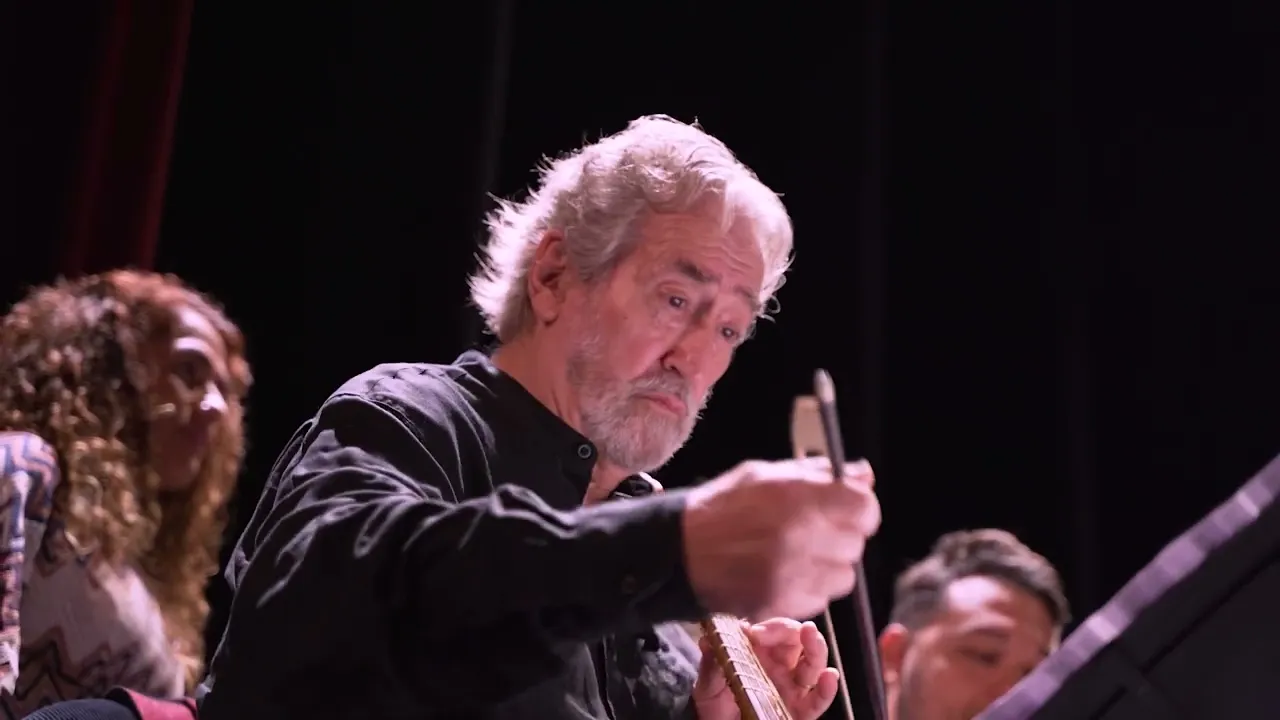
Surrounded by some twenty musicians, the maestro brings together on stage his ensembles La Capella Reial de Catalunya and Hespèrion XXI, along with special guests from Canada, Guadeloupe, and Tembembe Ensamble Continuo from Mexico.
In this new work, Songs, Battles and Dances of the Old and New Worlds 1100–1780, Jordi Savall explores how, across seven centuries of history, music served as both an act of faith, a tool of resistance, and a means of survival. Reflecting the upheavals of the world, this sonic journey weaves a dialogue between medieval troubadours, Renaissance and Baroque repertoires, the songs of enslaved peoples of the African diaspora, Indigenous melodies, and Sephardic traditions.
Between suffering and hope, war and peace, this musical journey offers a sensitive and deeply human reading of history, revealing the universal power of music: a language of memory, transmission, and resilience.
“We hear rhythms and songs that remind us of this history of suffering, when music became a means of survival and—for our greatest good fortune—the only refuge bringing peace, comfort, and hope.” — Jordi Savall
This new work by Jordi Savall follows in the footsteps of The Routes of Slavery 1444–1888, a major historical fresco presented in its North American premiere at the Maison symphonique in 2017 as part of Traquen’Art’s Grands Événements series, retracing four centuries of the triangular trade through music and narrative.
A Catalan musician of international renown, Jordi Savall is recognized as one of the greatest viola da gamba players of our time. A conductor and passionate researcher, he stands as a leading figure in historically informed performance. Founder of renowned ensembles such as Hespèrion XXI, La Capella Reial de Catalunya, and Le Concert des Nations, he has revived forgotten repertoires from numerous cultures and across many centuries. For more than fifty years, he has developed a deeply humanistic body of work in which music becomes a space for memory, transmission, and dialogue between peoples.


 Your favourites
 Email
Email
 Facebook
 Shared events